recent posts


meet the blogger

Hi! I’m Joy, a Louisiana-born, Nigerian-American writer who’s obsessed with literature, research, and the untold histories of Africa and the Black diaspora. The Braid Blog is where I weave it all together: memory, literature, culture, and the quiet power in our everyday lives. Think of this space as part archive, part altar–always an offering.
I’d love to connect! Feel free to visit my socials below or send me an email xo.
Category: Contemporary
-
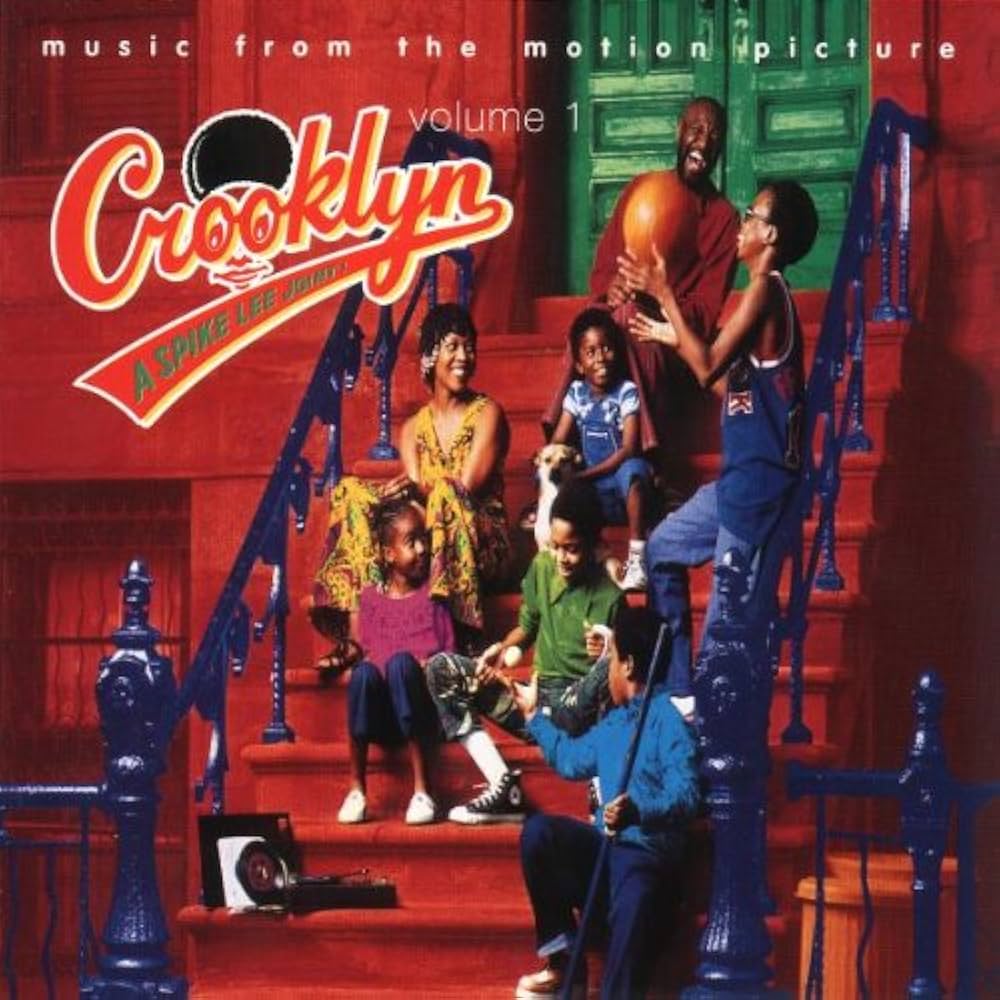
Step into Spike Lee’s Crooklyn through the eyes of a little Black girl carrying weight she never should’ve held. This reflection unbraids hyper-independence, misogynoir, and the quiet traumas we normalize in Black families—revealing how generational patterns shape our children long before we notice.
-
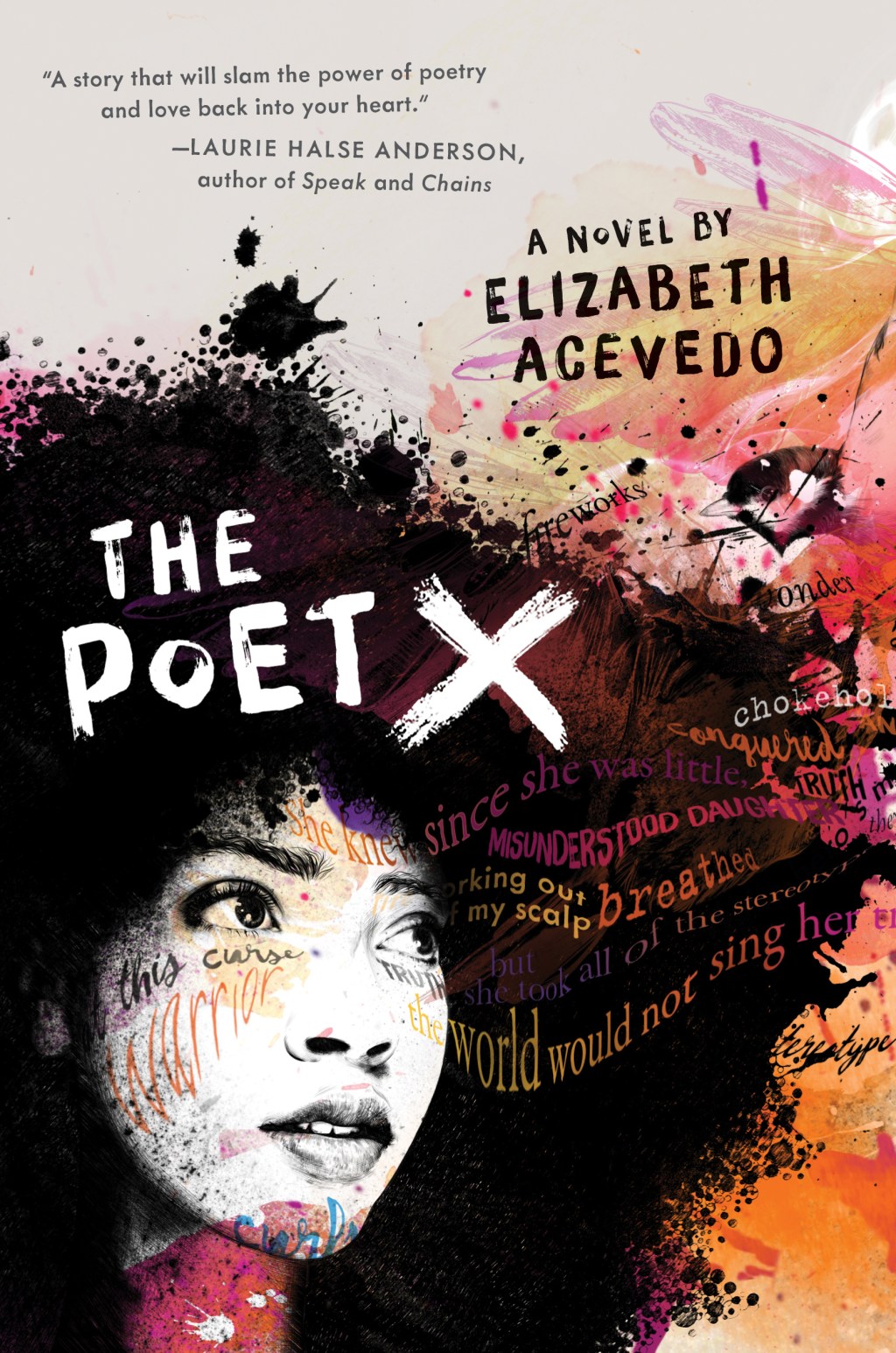
Celebrate Hispanic Heritage Month by diving into Elizabeth Acevedo’s The Poet X, a searing novel-in-verse that captures the Afro-Latinx experience with raw honesty. Xiomara’s voice shatters silence, reclaiming space for girls told they are too much and not enough—all at once. A must-read for identity, faith, and freedom.
-
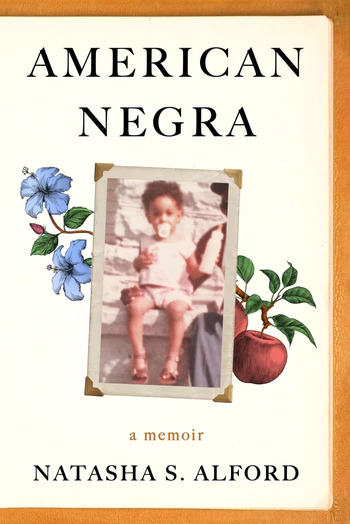
Natasha S. Alford, an acclaimed author and journalist of Puerto Rican and African American descent, explores her multiethnic identity in her memoir, “The American Negra.” Through her personal journey, she addresses the complexities of belonging and the challenges faced by Afro-Latinxs, advocating for greater recognition and acceptance of their diverse heritage.
-
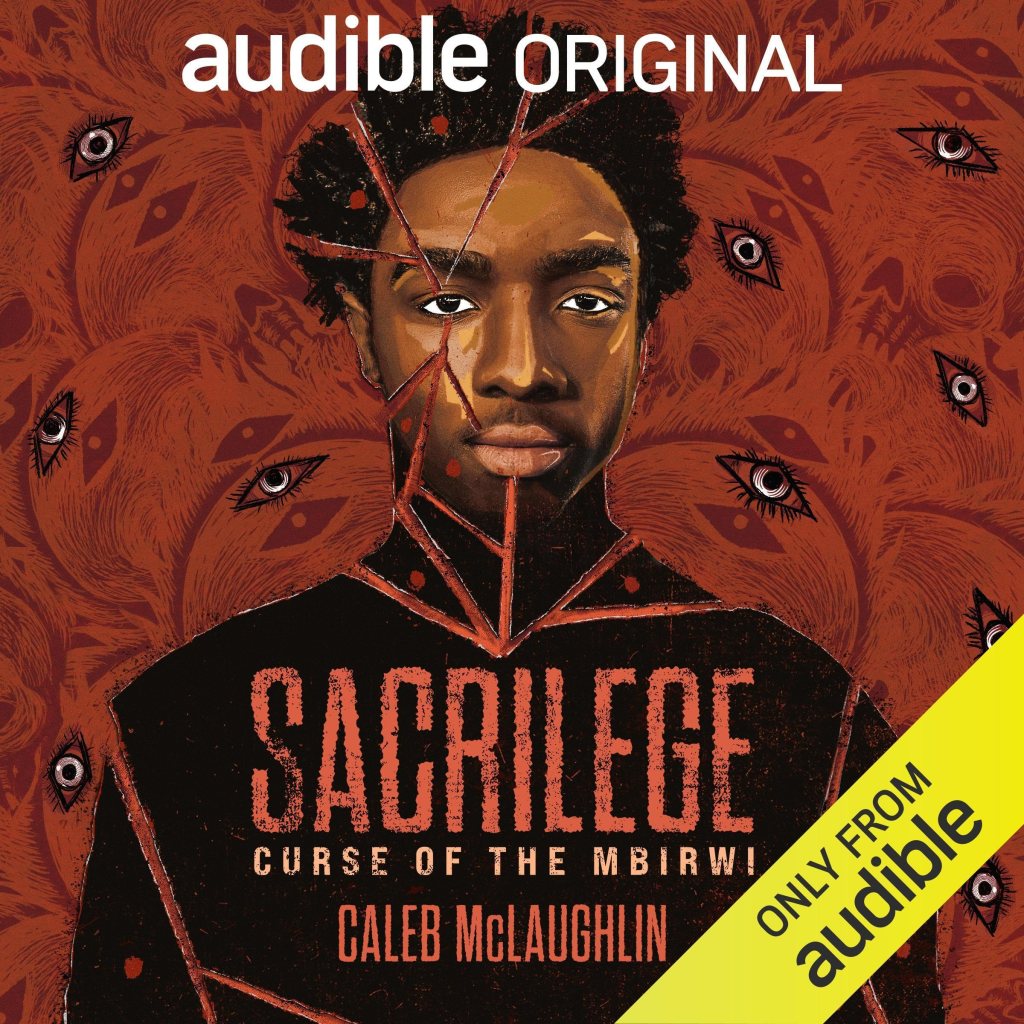
Ancestral grounds. Forbidden secrets. A family searching for home steps into a nightmare in Nyasha Hatendi’s Sacrilege. But what if the true curse isn’t folklore—it’s colonial erasure? Horror and history collide in this chilling tale of identity, belonging, and the price of miseducation.
