
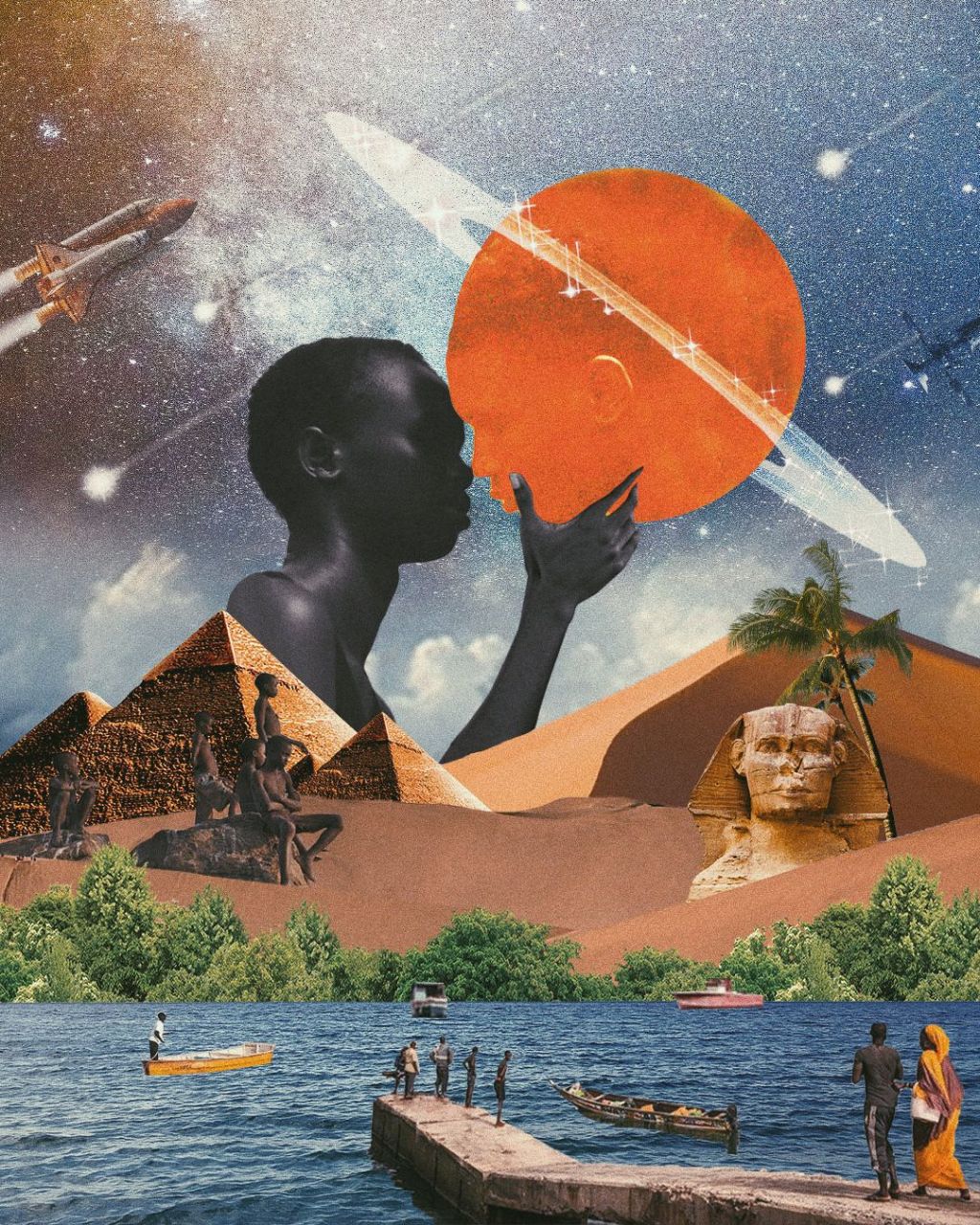
Let’s weave a story about stories that cause cultural shifts. Let’s call these stories Afrofuturism.
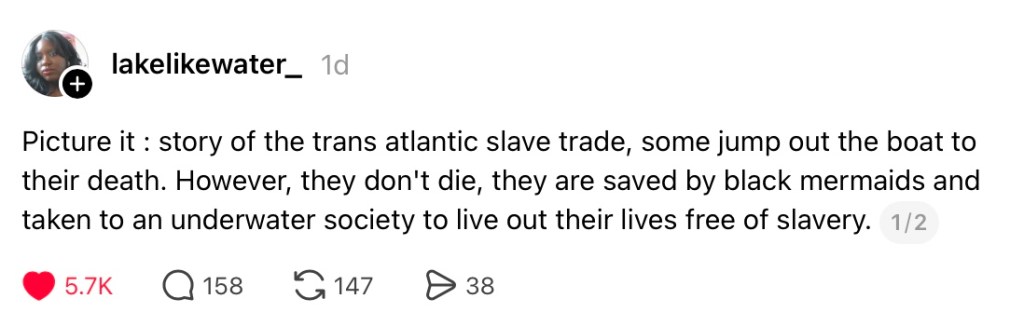
I’d come across a post on Threads that inspired me to think about the ways African diasporic literature bridges gaps between a multitude of Black cultures. There are common themes of resistance evident, for obvious reasons, but something new has budded recently that makes me think there’s been a collective shift in the Black community.
Afrofuturism and Speculative Fiction are relatively “new” genres, the imperative term meaning it’s been around forever but is only now being recognized in the literary canon. Chances are you’re more familiar with these sister genres than you realize.
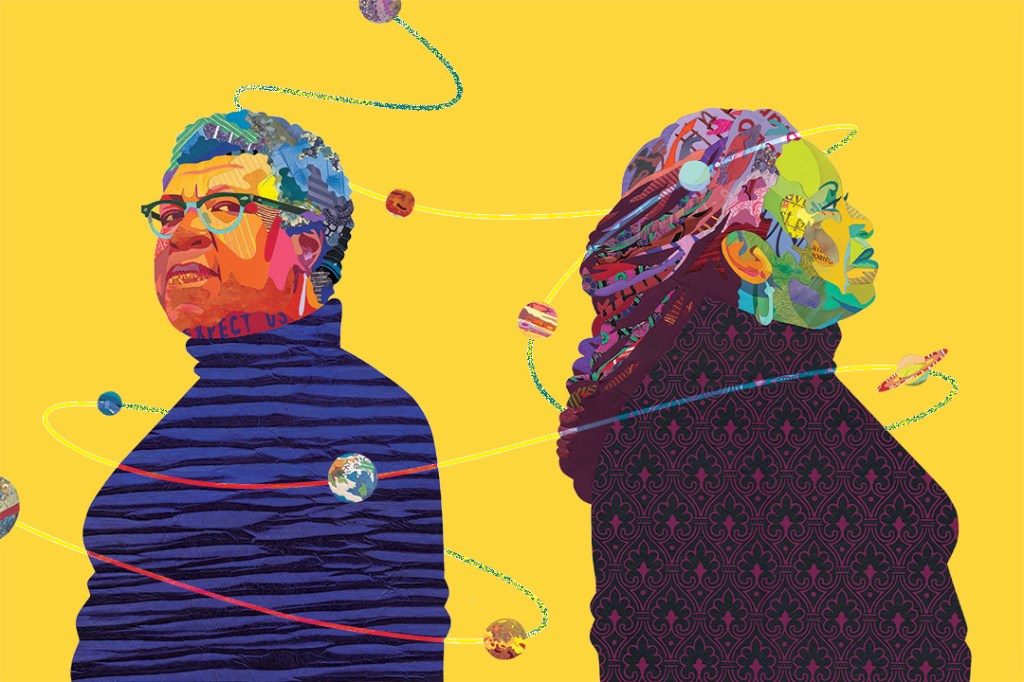
If you’ve read any book written by Toni Morrison or Octavia Butler, or even if you’ve watched André 3000’s Class of 3000, Marvel’s Black Panther, or Ryan Coogler’s Sinners, you have consumed Afrofuturistic and Speculative Fiction. These two illustrious authors are revered as the mothers of Afrofuturism and Speculative Fiction, though their works span multiple genres.
According to Britannica, Afrofuturism is a cultural movement blending art, science, and technology with African and African diasporic history and culture, reimagining the Black experience and envisioning alternate empowered futures through speculative and innovative lenses in art, film, television, writing, and music. Oxford’s Academic Journal defines Speculative Fiction as a super category for all genres that deliberately depart from imitating “consensus reality” of everyday experience.
The two genres often overlap due to the enmeshment of African history and the desire for collective freedom. These genres explore “what if” scenarios that often portray an alternate reality where Black peoples’ stories are depicted differently. Many of these stories imagine our history sans enslavement or in a world where the tables are turned. Some even transport its reader to a future that depicts its Black characters as liberated, living in a reality where there is no space for oppression and bigotry. Afrofuturism commonly explores themes of feminism and matriarchy because society leans into misogyny and patriarchy, as well as questioning religion for its hypocrisy that shapes human thought–especially in Black communities.
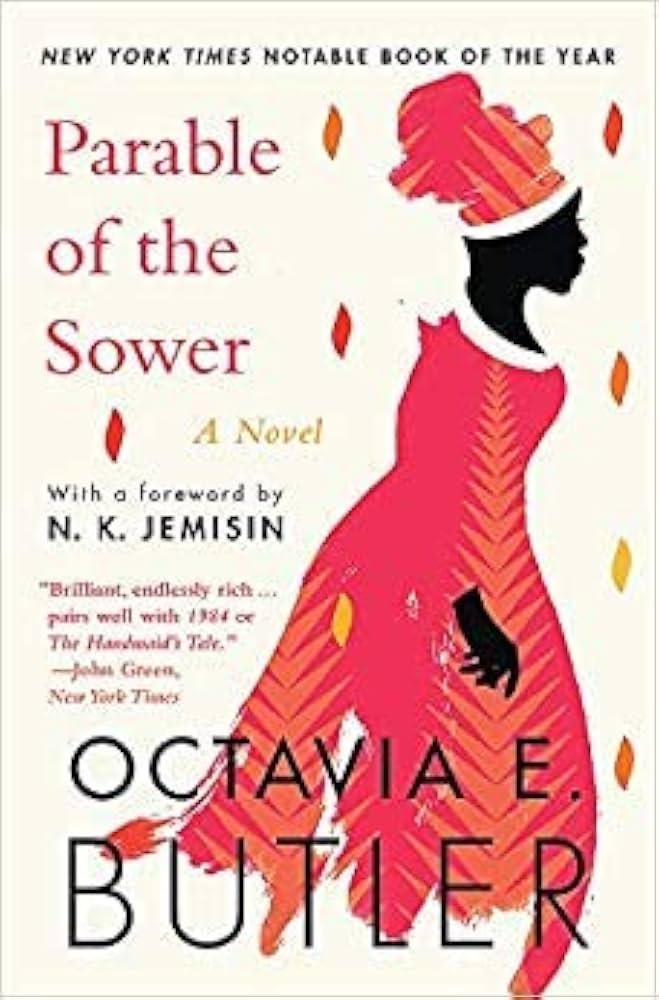
My favorite example of this can be found in Octavia Butler’s Parable of the Sower, a dystopian novel once regarded as science fiction. The story follows young Lauren Olamina in post-apocalyptic America heavily burdened by social injustice and gross climate change. This book is not only a good read, but also a prophecy. Many of the events that took place in the story have either occurred in real life or something incredibly similar, like the election of President Donner, a bigot and stain on the country. Lauren is an empath who is navigating her own religious beliefs as the daughter of a preacher. She goes on to discover much within herself and within others. Click the link to give it a read.
My other favorite example of an Afrofuturistic religious critique is deep within the bowels of Ryan Coogler’s Sinners, a masterpiece I absolutely will never stop talking about.
Why am I raving about a genre, you might ask? Because this genre has an inspirational impact on the African diaspora. These stories inspire hope and Pan-African pride. We saw the collective reaction to the release of the first Black Panther movie in 2018–it was electrifying. People amassed by the thousands, donning traditional and modern African garb to see the movie. Suddenly, no one was ashamed of being African, being dark skinned, or having kinky hair. Ancestry.com’s pockets were lined by Soulaan people desiring to reconnect with their African ancestry. African media became mainstream–look at all the African movies on Netflix that we once had to scour Youtube for! The Loc epidemic began because of one movie. An entire movement was amplified because of one movie. We mourned the loss of Chadwick Boseman, not because he was an amazing actor, but because his character, T’challa, resonated with all of us. May he rest in peace.
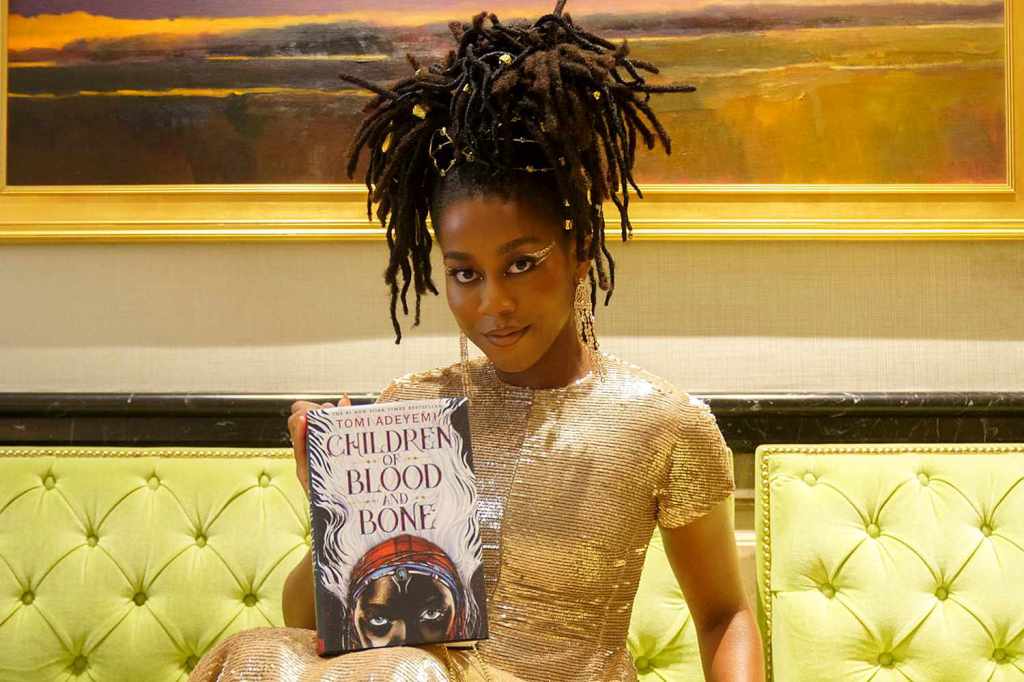
Not only did this release inspire consumers, but it also inspired creators. Tomi Adeyemi’s 2018 novel Children Of Blood and Bone was picked up by Netflix this year. This Afrofuturistic story explores Yoruba Orishas, though it is fictional and does not depict unanimous cultural accuracy. Part of me enjoys that because it’s likely to inspire viewers to research the true function of African dieties, thus leading us to explore African spirituality as a whole. This has the power to usher a completely different societal shift.
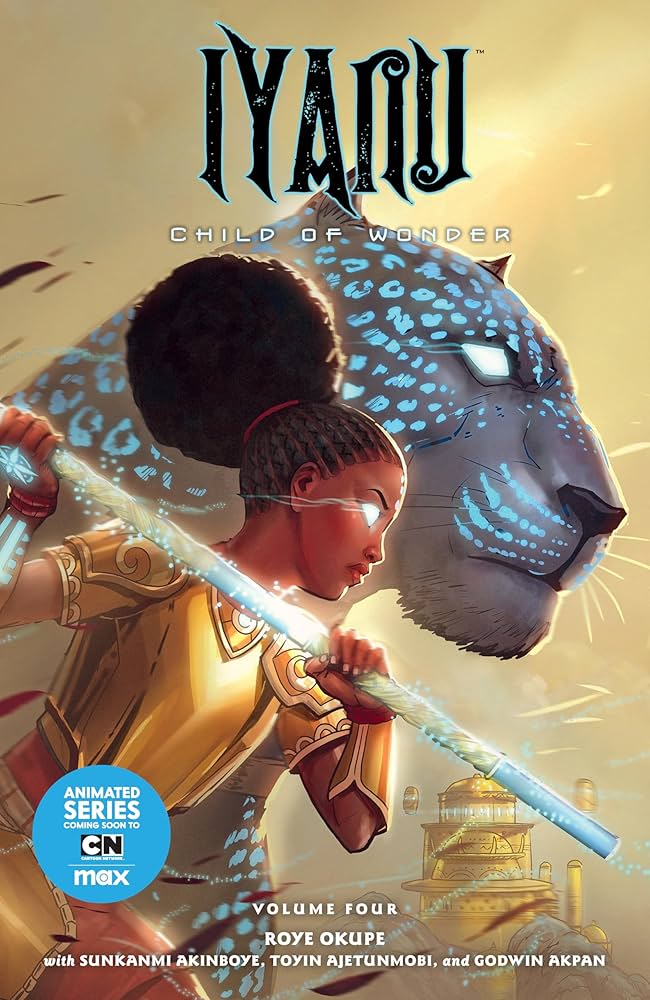
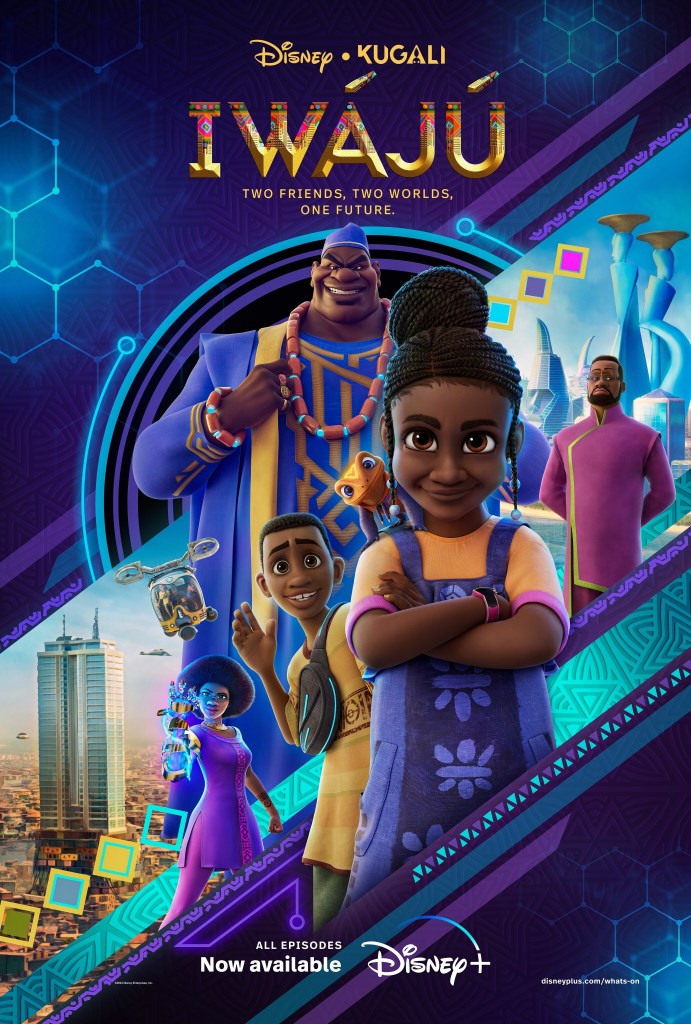
I recently discovered the coolest Afrofuturistic anime show released on Cartoon Network in 2025 called Iyanu, which follows a young orphaned girl named Iyanu who has no recollection of her past, but discovers she possesses powerful abilities that she must learn to harness to save Yorubaland. Alongside her friends, she encounters many tests that bring her closer to her ancestry. Another is Disney’s 2024 release of Iwájú, which loosely translates to “the future” in Yoruba. This Afrofuturistic anime follows Tola and Kole as they navigate futuristic Lagos, Nigeria, uncovering secrets and discovering the world around them. I highly recommend you watch both! It’s important that we see our Black features properly depicted in animation, where–for years–they were not.
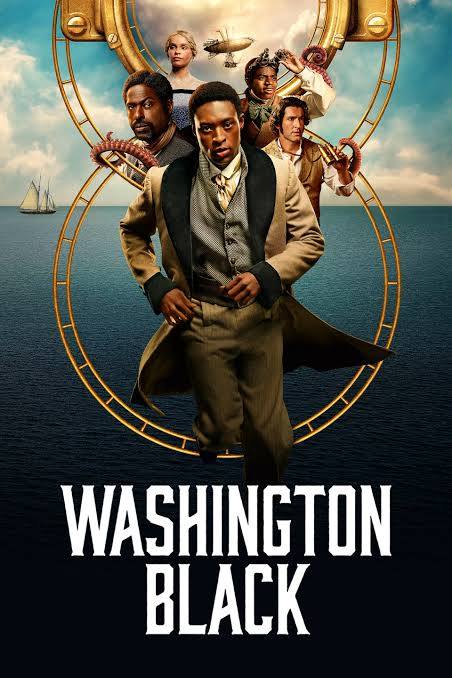
More honorable mentions include Octavia Butler’s Kindred, Esi Edugyan’s Washington Black, Jordan Peele’s Get Out, and Nnedi Okorafor’s Binti series. It’s easy to discount these stories within this genre because they often encompass multiple genres. Like Linda Martell said, “Genres are a funny little concept, aren’t they? Yes, they are.”
Because Afrofuturism often depicts historical themes, many works can also fall into Historical Fiction. Because some may have futuristic illustrations and settings, they can also be shoved into the sci-fi box. And because some portray fantastical abilities, we misconstrue them as Fantasy, but many things can be true at once.
The bottom line is we can’t allow overlap to be the reason–the excuse!–the literary canon uses to deflect from acknowledging this genre as a whole.
It’s important because of Afrofuturism’s impact on Black culture. It influences art and fashion, and even music, through exposure to Black media, reaching across the diaspora irrespective of linguistic barriers. See some of my favorite Afrofuturistic art and fashion, and give their creators a gander, if you will:
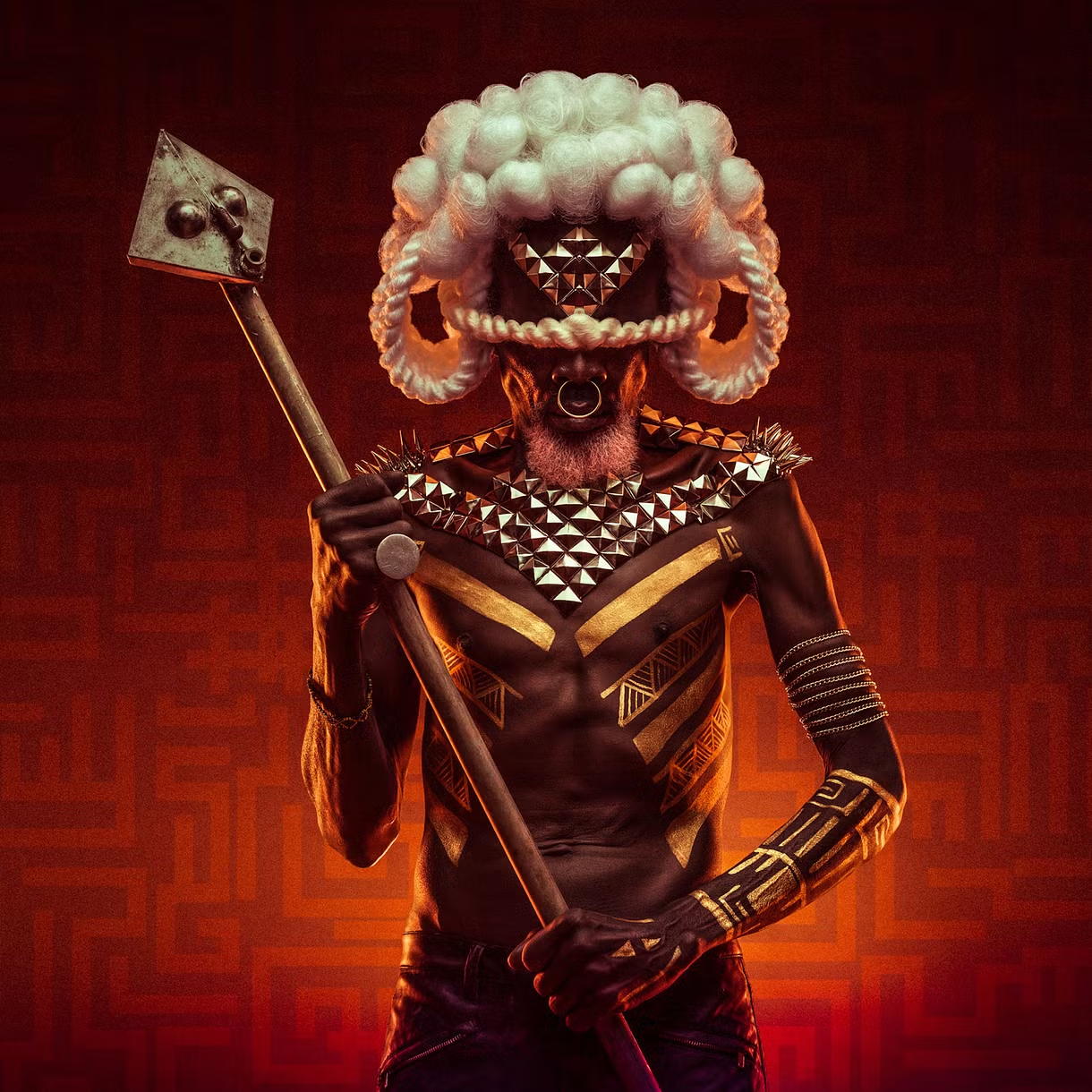
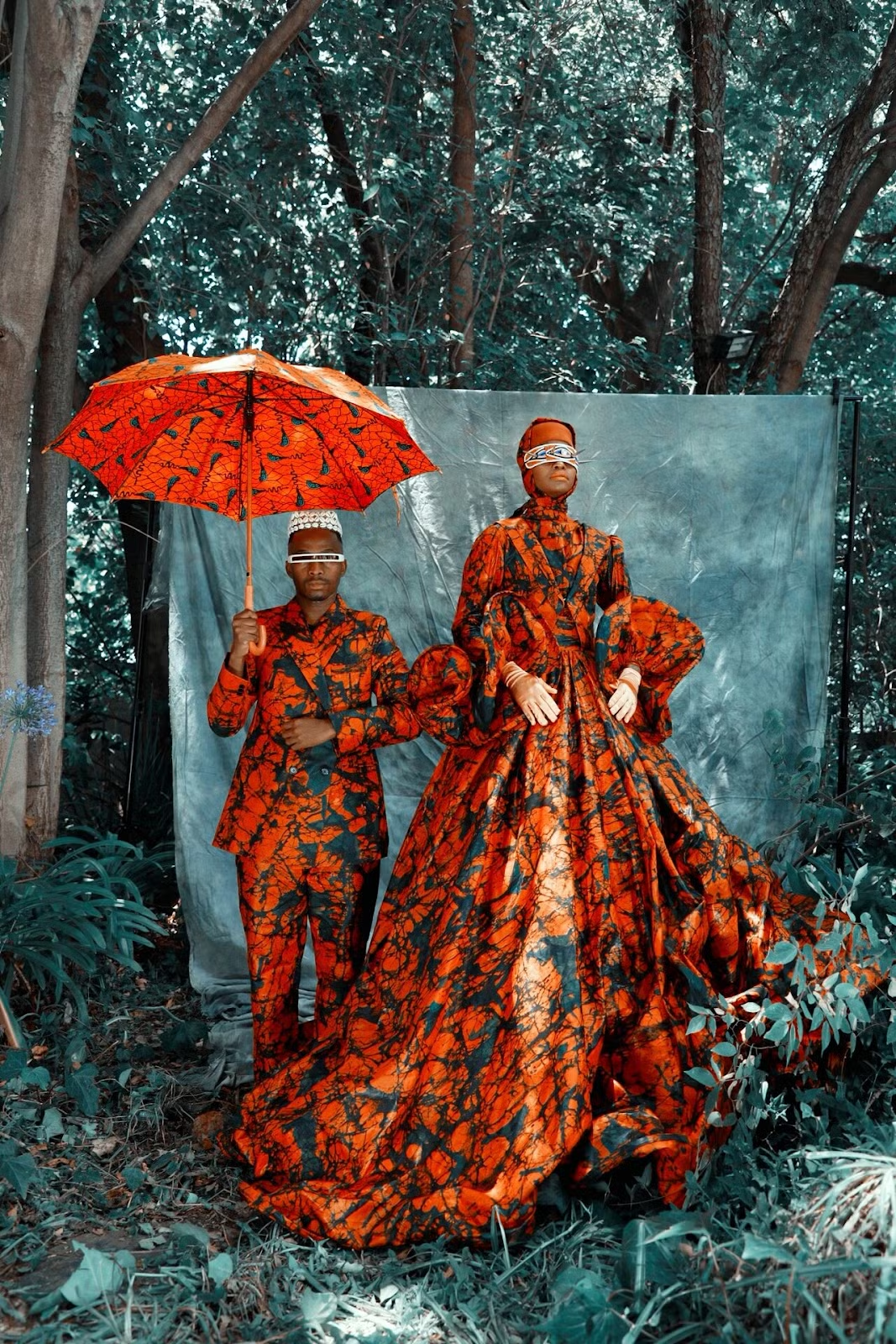
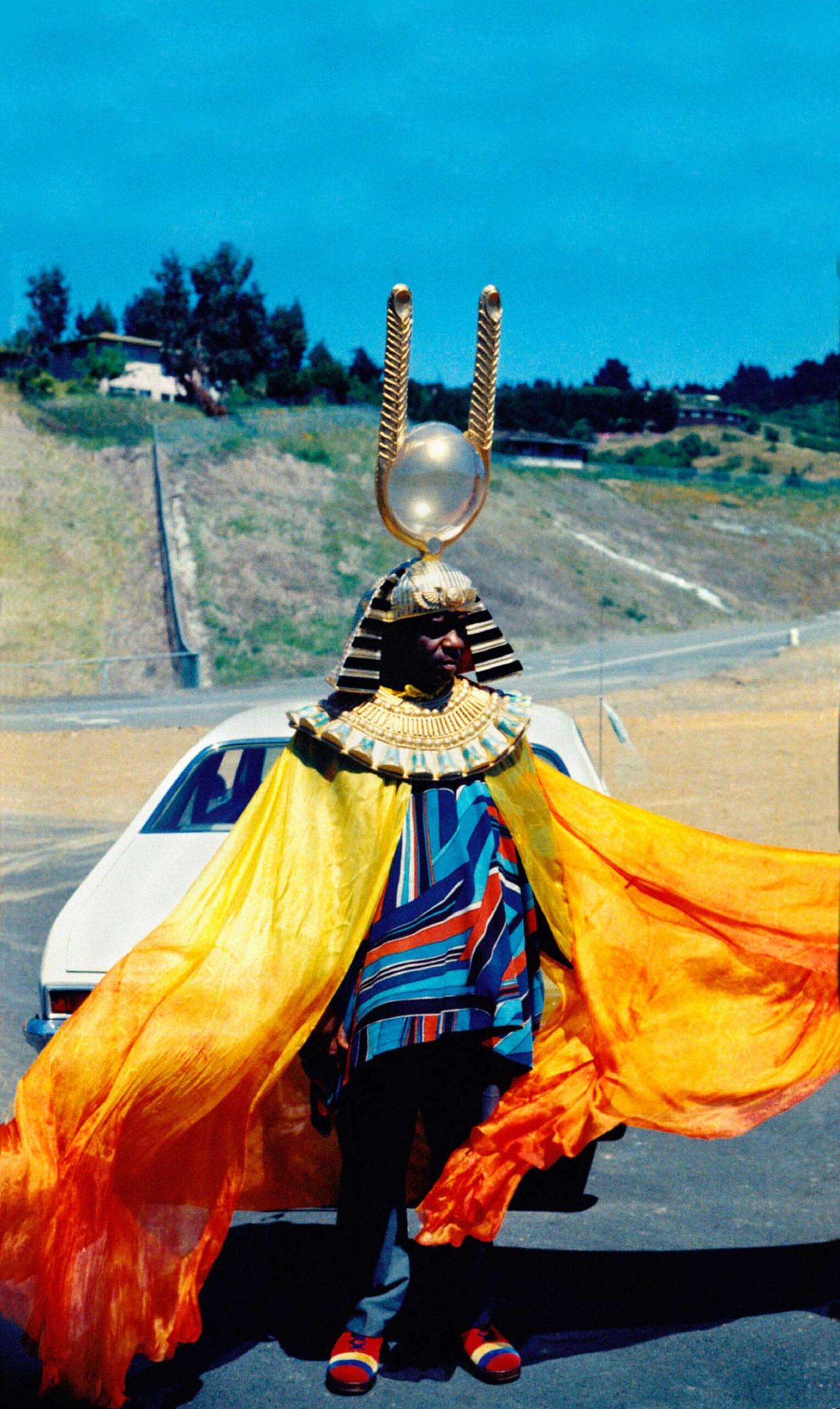

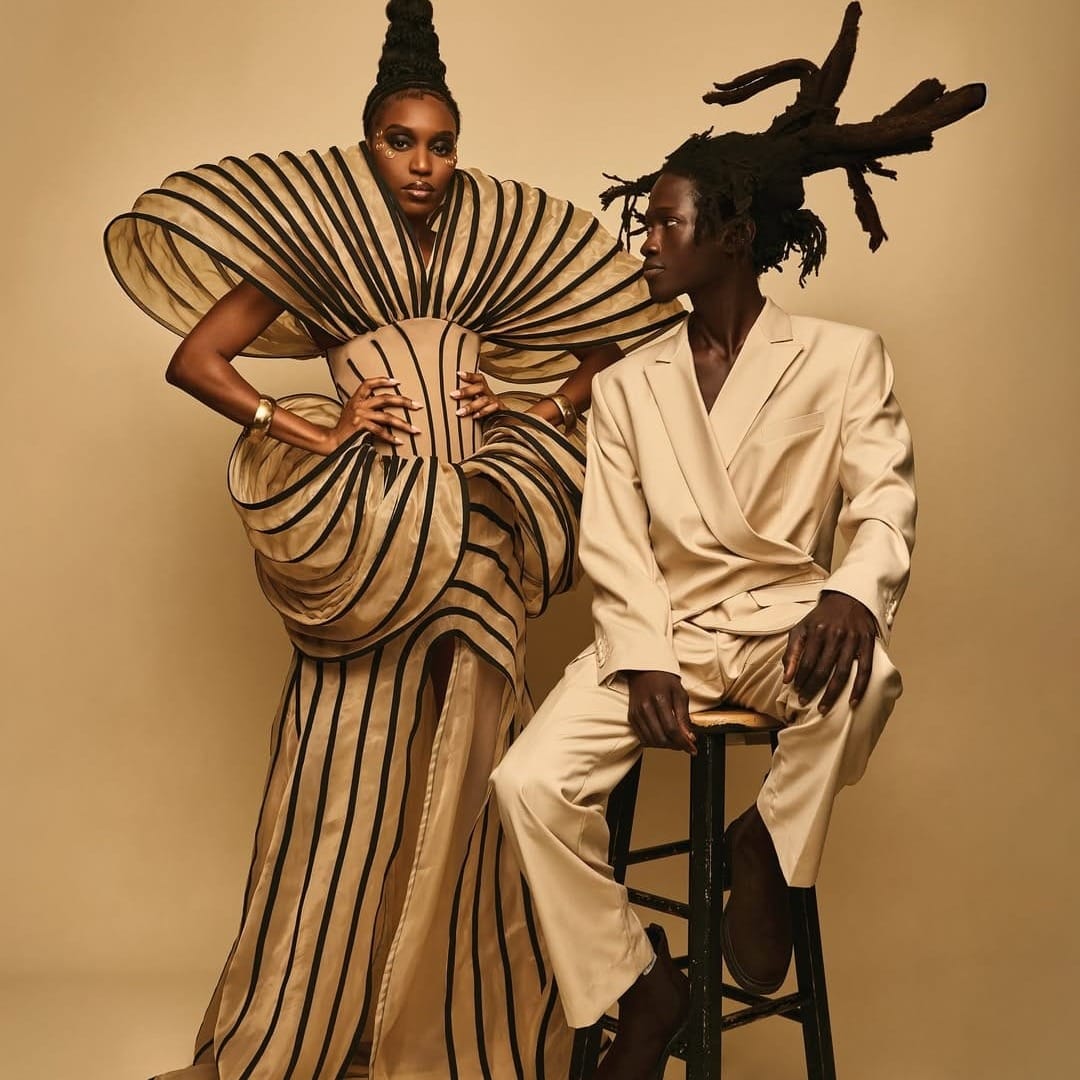
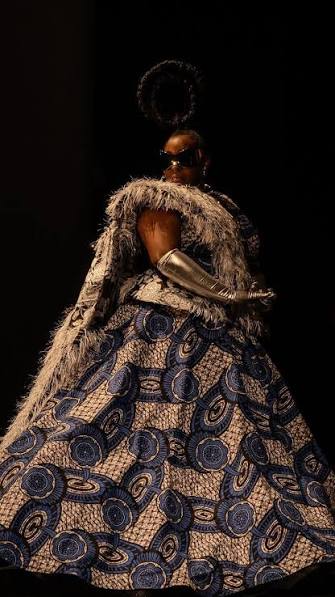
Afrofuturism and, in turn, Speculative Fiction, have brought much joy to my TBR and “to watch” lists and judging by the fallout, I’m not the only one enjoying the reprieve of escapism it provides me. In that same breath, it’s imperative we both comprehend and digest the messages each piece of art communicates to us. It’s telling us to have high racial self-esteem, to love our Black skin and heritage, and to continue to create spaces for ourselves. While an instrumental goal in equity of the races is to have Black literature recognized by the literary canon, Afrofuturism shows us what happens when we refuse to lean into the aesthetic and respectability politics of white supremacy. It shows us what happens when we resist and what it looks like to appreciate who we are even if colonialism has contorted much of our history. It shows that the Harlem Renaissance was real and that Black creation is profitable even if it doesn’t appeal to the white palate. It’s a reminder that what we possess cannot be recreated nor imitated, and that we as a people will continue to evolve until, perhaps one day, one of these stories becomes our reality. Thank you for reading.
I know I’ve been away for a while, but life was tossing lemons at me and I had to either make lemonade or plant a lemon tree so I could fight back! Nonetheless, I am back and loaded with pieces to share. Be on the lookout for bi-weekly posts like this and more! If you’re new here, subscribe to The Plait so you won’t miss a thing.
Please like, comment, and share to expand our conversation.


Join the conversation!